
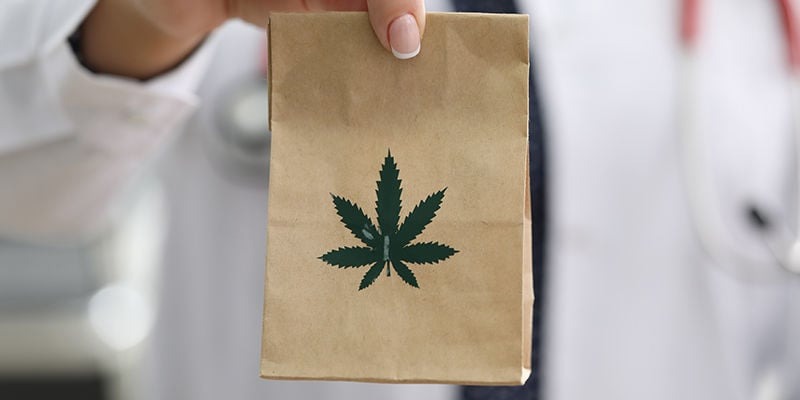
In today’s world, sustainability has become a primary concern for both businesses and consumers alike. As we strive to combat the growing environmental crisis, many companies are searching for eco-friendly alternatives to their traditional packaging solutions. One of the most promising materials that have emerged in recent years is cannabis paper bags. Made from hemp, cannabis paper bags offer numerous environmental benefits, especially when it comes to reducing your carbon footprint. In this blog post, we’ll explore how these eco-conscious bags contribute to sustainability and why they should be part of your business’s packaging strategy.
Understanding the Carbon Footprint
Before delving into how cannabis paper bags reduce your carbon footprint, it’s important to understand what a carbon footprint is. The carbon footprint refers to the total amount of greenhouse gases (GHGs), particularly carbon dioxide (CO2), that are emitted into the atmosphere due to human activities. This includes the production, transportation, and disposal of goods and services. Packaging is one of the major contributors to global waste, and traditional packaging materials, such as plastic and non-recyclable paper, significantly increase our carbon footprint.
Now, let’s take a look at how switching to cannabis paper bags can make a difference.
The Role of Hemp in Sustainability
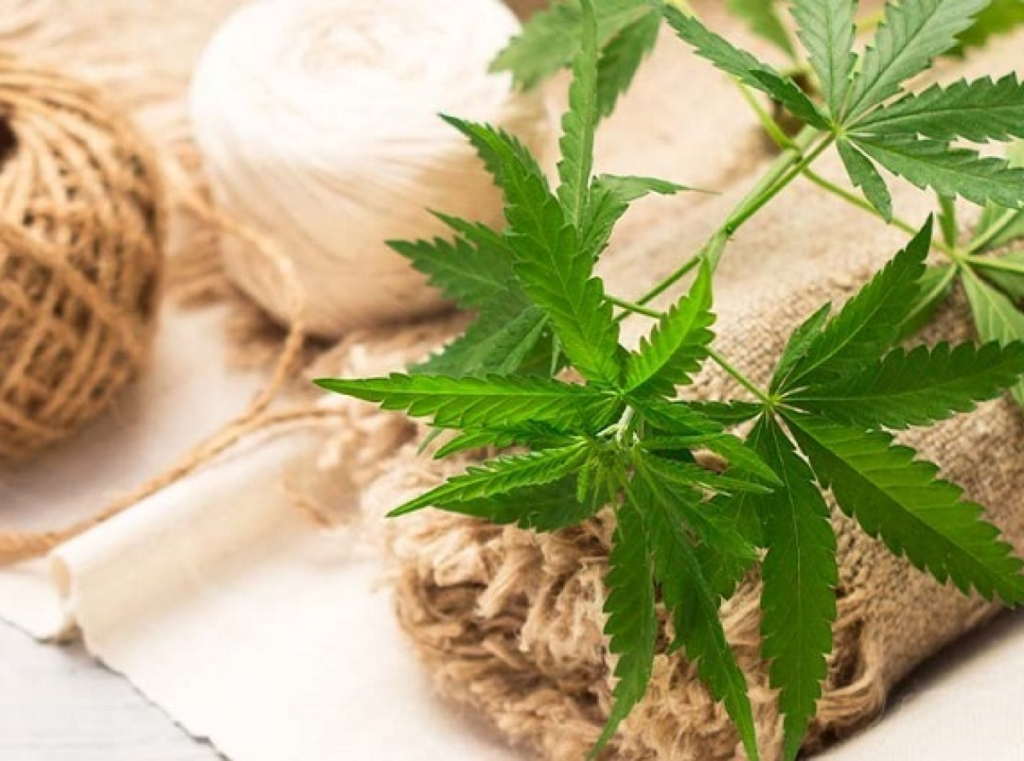
Hemp is one of the most sustainable plants on the planet, and its use in paper production is revolutionizing the packaging industry. Hemp paper, made from the fibers of the hemp plant, is not only eco-friendly but also highly durable. Unlike traditional paper made from trees, hemp paper is biodegradable, recyclable, and requires fewer resources to produce. This makes it a key player in reducing environmental impacts, particularly in lowering the carbon footprint associated with packaging materials.
Hemp Requires Less Water and Pesticides
One of the main reasons hemp paper has a lower carbon footprint compared to conventional paper is that hemp requires far fewer resources to grow. Hemp is a hardy plant that thrives in a variety of conditions and doesn’t need heavy irrigation or pesticides. In contrast, trees require large amounts of water and land to grow, and they are often subjected to pesticide use during their cultivation. Additionally, growing hemp helps maintain soil health, as it has deep roots that prevent erosion and regenerate nutrients in the soil.
Hemp also has a much faster growth cycle than trees. While trees can take decades to mature, hemp grows to full height in just 3 to 4 months. This quick growth allows for more frequent harvesting, reducing the need for deforestation and further protecting ecosystems.
Reduces Deforestation
Traditional paper is typically made from wood pulp, which is derived from trees. Unfortunately, this process contributes to widespread deforestation, harming biodiversity and increasing carbon emissions. By using hemp for paper production, we reduce the demand for trees and, in turn, combat the devastating effects of deforestation.
When trees are cut down for paper production, the carbon that was sequestered in their wood is released back into the atmosphere, contributing to global warming. Hemp, on the other hand, absorbs CO2 during its growth cycle, helping to offset emissions. This makes cannabis paper bags a more sustainable and carbon-neutral alternative to wood-based paper products.
Cannabis Paper Bags Are Biodegradable and Recyclable
Another key aspect of cannabis paper bags is their biodegradability. Hemp paper decomposes naturally over time, unlike plastic bags, which can take hundreds of years to break down. As cannabis paper bags break down, they return nutrients to the soil, making them an environmentally friendly option for waste management.
Unlike plastic, which often ends up in landfills or oceans, contributing to pollution and wildlife harm, hemp-based bags are a responsible choice for packaging. Moreover, these bags can be recycled just like traditional paper, ensuring they can be reused and repurposed instead of contributing to landfill waste. By switching to cannabis paper bags, businesses can significantly reduce the waste generated by single-use packaging, further reducing their overall carbon footprint.
Energy Efficiency in Production
Producing cannabis paper bags is less energy-intensive than producing conventional paper and plastic products. Hemp fibers are more easily processed than wood fibers, which means they require less energy to manufacture into paper products. Additionally, hemp processing does not require the same level of chemical treatment as wood pulp paper, making it a safer and more energy-efficient option for both manufacturers and consumers.
In terms of carbon emissions during the production process, hemp paper manufacturing typically uses less water, fewer chemicals, and less energy. This means that the overall carbon output from cannabis paper bag production is significantly lower than that of plastic or traditional paper bags.
Reducing Plastic Waste
Plastic bags are a major contributor to environmental pollution, particularly in marine ecosystems. They take hundreds of years to decompose, and during this time, they break into smaller particles that pollute water bodies, affecting aquatic life. The production of plastic also relies heavily on fossil fuels, which further exacerbates the carbon footprint.
By switching to cannabis paper bags, businesses can help eliminate plastic waste, which significantly reduces their carbon footprint. Hemp-based paper bags are not only biodegradable but also contribute to a circular economy, where materials can be recycled and reused, reducing the need for single-use plastic products.
Supporting a Circular Economy
The environmental benefits of cannabis paper bags go beyond their production. By choosing hemp-based packaging, businesses are supporting the broader concept of a circular economy. In a circular economy, materials are reused and recycled instead of being discarded after a single use. This system minimizes waste, reduces the need for raw materials, and lowers overall emissions.
Cannabis paper bags fit seamlessly into this model. Once they have served their purpose, they can either be composted or recycled, ensuring that the carbon footprint associated with their production is offset through sustainable disposal practices. Additionally, many hemp-based products are made from post-consumer recycled paper, further reducing the carbon impact of new production.
How Businesses Can Reduce Their Carbon Footprint with Cannabis Paper Bags
If you’re a business owner looking to reduce your carbon footprint, switching to cannabis paper bags is an excellent place to start. Here’s how you can integrate hemp packaging into your operations:
- Evaluate Your Packaging Needs: Look at the types of products you sell and determine how cannabis paper bags can be integrated into your packaging process.
- Consider Customization: Custom hemp bags not only serve a functional purpose but also help promote your brand’s commitment to sustainability. Invest in custom-designed bags to align with your eco-friendly values.
- Educate Consumers: Share the benefits of cannabis paper bags with your customers. Let them know that by choosing your brand, they are helping to protect the environment.
Conclusion
Cannabis paper bags are a sustainable alternative to traditional paper and plastic packaging, offering significant environmental benefits in reducing your carbon footprint. From lowering water consumption and pesticide use to reducing deforestation and promoting a circular economy, these eco-friendly bags provide a range of advantages for businesses committed to sustainability. By choosing hemp-based packaging, you are not only protecting the planet but also contributing to the broader movement toward reducing global carbon emissions. With the growing demand for environmentally responsible products, now is the time to make the switch to cannabis paper bags and join the fight against climate change.
By incorporating these green solutions into your business, you help reduce your environmental impact, promote sustainability, and take a positive step toward a greener, more eco-conscious future.