
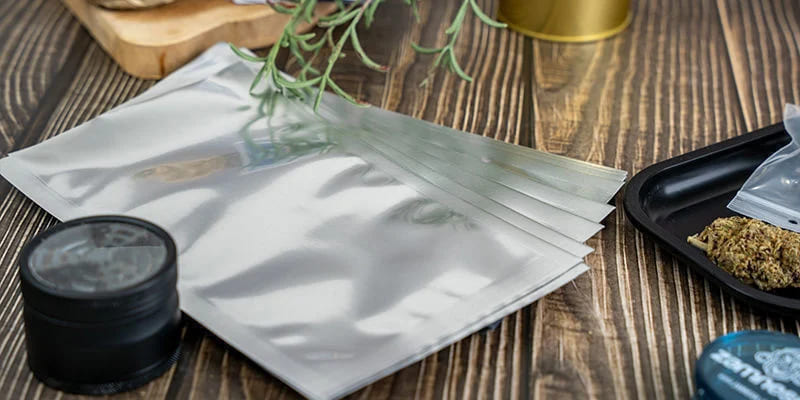
A practical guide to understanding odor control, storage, and packaging choices.
When it comes to storing cannabis, one of the most common concerns is smell. Whether you’re a casual user, a home grower, or someone handling packaging, controlling odor is important for privacy, freshness, and overall experience.
Cannabis paper bags are often seen as a natural and eco-friendly storage option—but are they actually smell-proof? The short answer is no. However, the full story is a bit more nuanced. In this blog, we’ll break down how cannabis paper bags work, their limitations, and when they might still be a good choice.
What Are Cannabis Paper Bags?
A simple look at what makes them popular.
Cannabis paper bags are typically made from kraft paper or similar materials designed for packaging and storing cannabis products. They are widely used in the industry due to their eco-friendly nature and breathable structure.
These bags are often used for short-term storage, transportation, or retail packaging. They are lightweight, biodegradable, and easy to customize for branding.

Are Cannabis Paper Bags Smell-Proof?
Understanding the reality behind odor control.
Cannabis paper bags are not smell-proof. Paper is a porous material, which means air—and therefore odor—can pass through it.
Why They Don’t Block Smell
- Paper has tiny pores that allow airflow
- Cannabis naturally releases strong aromatic compounds (terpenes)
- Odor molecules can easily escape through the material
So while paper bags may slightly reduce direct exposure, they cannot fully contain the smell.
Why Cannabis Smells So Strong
The science behind the odor.
Cannabis contains compounds called terpenes, which are responsible for its distinct aroma. These compounds are volatile, meaning they easily evaporate into the air.
Common Terpenes
- Myrcene – earthy and musky
- Limonene – citrusy
- Pinene – pine-like
Because of these strong compounds, even small amounts of cannabis can produce noticeable smells—especially if not stored properly.
When Cannabis Paper Bags Are Useful
They still have their place.
Even though they are not smell-proof, cannabis paper bags can still be useful in certain situations.
Short-Term Storage
For temporary storage or transport, paper bags can work well.
Breathability
Paper allows airflow, which can help prevent moisture buildup and reduce the risk of mold.
Eco-Friendly Packaging
They are biodegradable and better for the environment compared to plastic options.
For these reasons, many brands still prefer paper bags despite their limitations.
When Paper Bags Are Not Ideal
Know their limitations before using them.
There are situations where cannabis paper bags are not the best choice.
Odor Control
If you need to completely hide the smell, paper bags won’t be effective.
Long-Term Storage
Over time, exposure to air can reduce freshness and potency.
High-Humidity Environments
Paper does not protect well against moisture, which can affect quality.
In these cases, alternative storage methods are better.
Better Alternatives for Smell Control
Options that offer stronger odor protection.
If odor control is your priority, consider these alternatives:
Airtight Glass Jars
- Excellent at sealing in smell
- Preserves freshness
- Reusable and durable
Smell-Proof Bags (Carbon-Lined)
- Designed specifically to block odors
- Often used for travel or discreet storage
Vacuum-Sealed Containers
- Maximum odor control
- Ideal for long-term storage
These options provide a much higher level of protection compared to paper bags.
Combining Paper Bags with Other Storage Methods
A practical middle-ground approach.
You can still use cannabis paper bags effectively by combining them with other storage solutions.
Example
- Place cannabis in a paper bag
- Store the bag inside an airtight container
This way, you get the benefits of breathability while still controlling odor.
Factors That Affect Cannabis Smell Leakage
It’s not just about the bag.
Even with the same packaging, smell intensity can vary based on several factors.
Quantity of Cannabis
Larger amounts produce stronger odors.
Storage Environment
Warm temperatures can increase odor release.
Quality and Freshness
Fresher cannabis tends to have a stronger aroma.
Understanding these factors helps you manage smell more effectively.
Tips for Reducing Cannabis Smell
Simple ways to improve odor control.
- Use airtight containers for storage
- Keep cannabis in a cool, dark place
- Avoid frequent opening of storage containers
- Store away from direct sunlight
- Combine paper bags with sealed containers
These small steps can make a noticeable difference.
Common Mistakes to Avoid
Avoid these to protect quality and privacy.
Assuming Paper Bags Are Smell-Proof
This is the most common misconception.
Storing in Open Spaces
Leaving cannabis in paper bags without additional protection increases odor spread.
Ignoring Temperature and Humidity
Environmental factors can worsen both smell and quality.
Using Low-Quality Bags
Thin or poorly made paper bags offer even less protection.
Are Cannabis Paper Bags Good for Businesses?
A balance between sustainability and functionality.
For cannabis brands, paper bags are often used for:
- Retail packaging
- Branding and presentation
- Eco-conscious marketing
However, many businesses combine paper bags with inner sealed packaging to ensure product freshness and odor control.
Read Also : What Are Cannabis Paper Bags? Everything Dispensaries Should Know
Conclusion
Know the limits before you choose.
Cannabis paper bags are useful, eco-friendly, and widely used—but they are not smell-proof. If your goal is complete odor control, you’ll need more secure storage options like airtight containers or specialized smell-proof bags.
That said, paper bags still have their place for short-term use and sustainable packaging. The key is understanding when to use them and when to switch to better alternatives. With the right approach, you can balance convenience, freshness, and discretion effectively.