
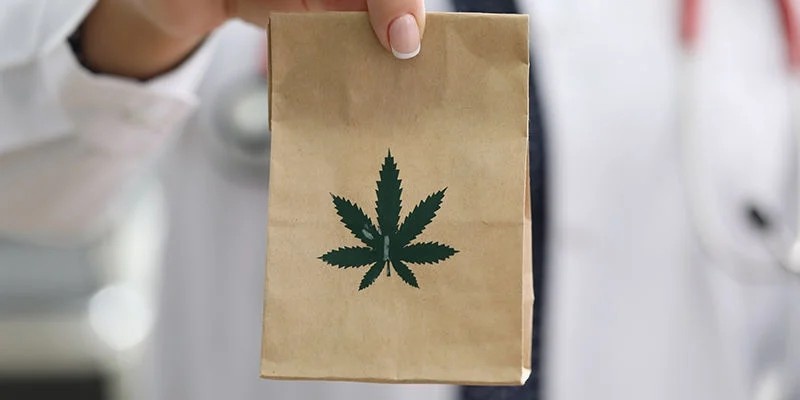
As businesses and consumers become more aware of environmental issues, the demand for sustainable packaging solutions continues to grow. Traditional plastic bags and even some paper products contribute to pollution, waste, and deforestation. This has led many companies to explore greener alternatives, including cannabis-made paper bags.
Made from hemp fiber, a variety of the cannabis plant, these paper bags offer a more environmentally friendly option for packaging and retail use. They are durable, renewable, and biodegradable, making them an excellent choice for businesses looking to reduce their environmental impact.
In this article, we will explore the environmental benefits of cannabis-made paper bags and why they are becoming an important part of the future of sustainable packaging.
What Are Cannabis-Made Paper Bags?
Cannabis-made paper bags are produced using hemp fibers derived from industrial hemp plants. Industrial hemp contains very low levels of THC and is grown primarily for industrial applications such as textiles, paper, construction materials, and packaging.
Hemp fibers are strong and versatile, making them ideal for creating paper products that are both durable and environmentally responsible. Unlike traditional paper, which is often made from wood pulp, hemp paper requires fewer natural resources and has a lower environmental footprint.
Reducing Dependence on Plastic Bags
One of the biggest environmental benefits of cannabis-made paper bags is their ability to replace single-use plastic bags.
Plastic bags can take hundreds of years to break down in the environment. During this time, they contribute to land and ocean pollution and can harm wildlife. Millions of plastic bags end up in landfills every year, creating long-term waste management challenges.
Hemp paper bags offer a biodegradable alternative. They naturally decompose over time, reducing the amount of waste that accumulates in the environment. By switching to cannabis-made paper bags, businesses can help reduce plastic pollution and support a cleaner planet.
Helping Reduce Deforestation
Traditional paper production relies heavily on trees. Large-scale logging for paper manufacturing contributes to deforestation, habitat loss, and ecosystem disruption.
Hemp grows much faster than trees and can be harvested multiple times within a relatively short period. While trees may take decades to mature, hemp can be ready for harvesting in just a few months.
Because hemp produces a significant amount of fiber per acre, it can help reduce the pressure on forests and support more sustainable paper production. Using cannabis-made paper bags can therefore contribute to the conservation of natural forest resources.
A Renewable and Sustainable Resource
Hemp is considered one of the most renewable crops in the world.
The plant grows quickly, requires relatively little land, and can be cultivated repeatedly without exhausting natural resources. This makes hemp an excellent raw material for sustainable packaging products.
Unlike finite resources that take many years to regenerate, hemp can provide a continuous and reliable supply of fiber for paper production. This renewable nature makes cannabis-made paper bags an attractive option for environmentally conscious businesses.
Lower Environmental Impact During Cultivation
Industrial hemp generally requires fewer pesticides and herbicides than many conventional crops. Its natural resilience helps reduce the need for chemical treatments that can negatively affect soil and water quality.
Additionally, hemp develops deep roots that help improve soil structure and reduce erosion. In some cases, hemp cultivation can even contribute to healthier agricultural land over time.
These environmental advantages make hemp farming a more sustainable choice compared to many traditional raw materials used in packaging production.
Biodegradable and Compostable
One of the key advantages of cannabis-made paper bags is that they are biodegradable.
When disposed of properly, hemp paper bags break down naturally and return to the environment without leaving harmful residues behind. This is very different from plastic bags, which can remain in ecosystems for generations.
Many hemp-based paper products are also compostable, meaning they can become part of organic waste management systems. This helps reduce landfill waste and supports a more circular approach to resource use.
Lower Carbon Footprint
Reducing carbon emissions is an important goal for businesses and governments worldwide.
Hemp plants absorb carbon dioxide from the atmosphere as they grow. This natural carbon capture process helps offset some of the emissions associated with manufacturing and transportation.
Because hemp grows quickly and efficiently, it can contribute to lower overall carbon emissions compared to some traditional packaging materials. Businesses that use cannabis-made paper bags may be able to strengthen their sustainability efforts while reducing their environmental footprint.
Strong and Durable Packaging Solution
Environmental responsibility does not mean sacrificing quality.
Hemp fibers are known for their strength and durability. Cannabis-made paper bags are often stronger than many conventional paper bags, making them suitable for a wide range of retail and packaging applications.
Their durability means fewer bags may be needed over time, helping reduce material consumption and waste. This combination of strength and sustainability makes hemp paper bags a practical solution for modern businesses.
Supporting Sustainable Business Practices
Consumers are increasingly choosing brands that demonstrate environmental responsibility. Businesses that adopt eco-friendly packaging solutions can improve their brand image and show their commitment to sustainability.
Using cannabis-made paper bags sends a clear message that a company values environmental protection and is actively working to reduce its impact on the planet.
This can help businesses attract environmentally conscious customers while contributing to broader sustainability goals.
Conclusion
Cannabis-made paper bags offer numerous environmental benefits that make them a valuable alternative to traditional packaging materials. From reducing plastic waste and lowering deforestation to supporting renewable resource use and decreasing carbon emissions, hemp-based paper products represent a smarter and more sustainable packaging solution.
As businesses continue searching for eco-friendly packaging options, cannabis-made paper bags are becoming an increasingly popular choice. Their durability, biodegradability, and environmental advantages make them an excellent investment for companies looking to reduce their ecological footprint and support a greener future.
Choosing cannabis-made paper bags is more than a packaging decision—it is a step toward a more sustainable and environmentally responsible world.