
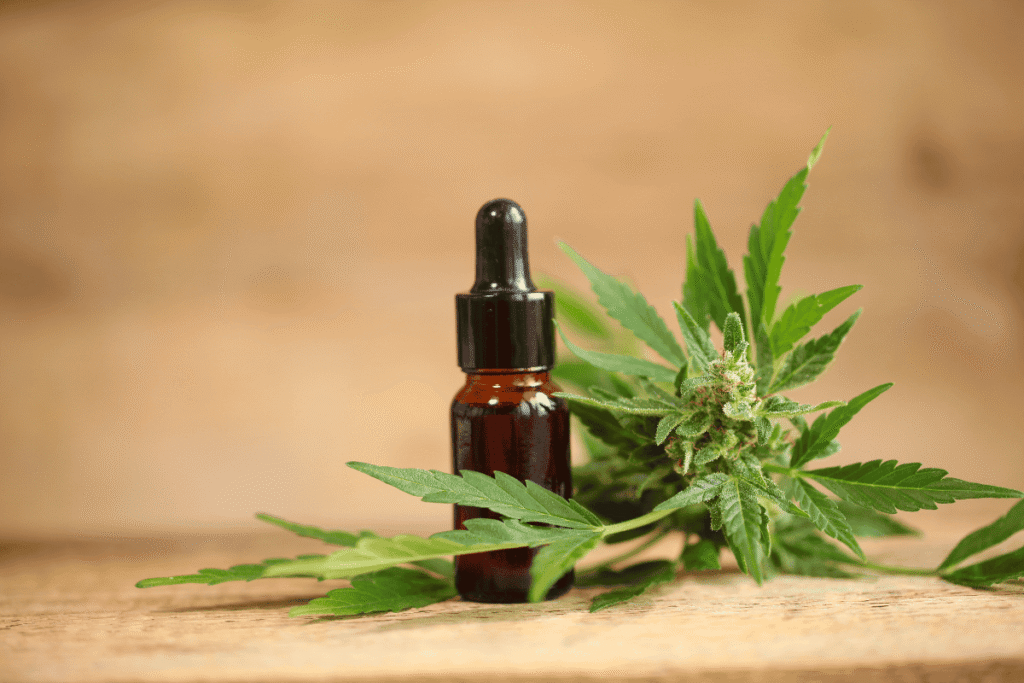
A balanced diet is one of the most important foundations of good health. Eating a variety of nutrient-rich foods provides the vitamins, minerals, healthy fats, protein, and fiber your body needs to function properly. As more people focus on holistic wellness, many are also exploring natural supplements like CBD oil to complement their healthy lifestyle.
CBD oil has gained widespread popularity for its potential role in supporting overall wellness. While it is not a substitute for nutritious food or a cure for health conditions, many individuals choose to include it as part of their daily routine alongside healthy eating, regular exercise, quality sleep, and stress management.
So, can CBD oil complement a balanced diet? The answer may be yes—as part of an overall wellness plan. In this article, we’ll explore how CBD oil fits into a healthy lifestyle, the relationship between nutrition and the endocannabinoid system, and practical tips for incorporating CBD responsibly.
What Is CBD Oil?
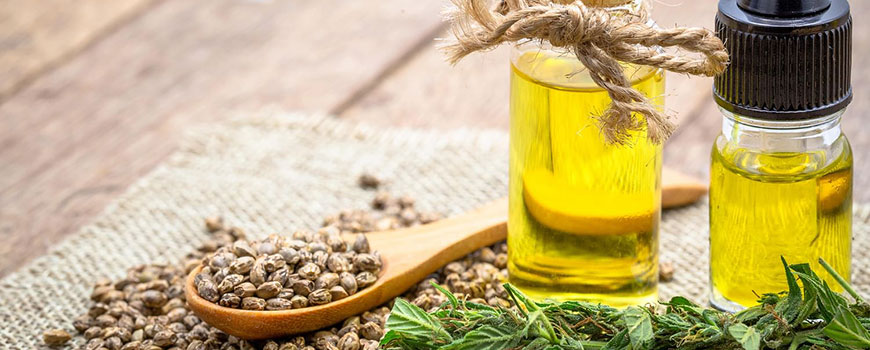
CBD, or cannabidiol, is a naturally occurring compound extracted from hemp plants. Unlike THC (tetrahydrocannabinol), CBD does not produce intoxicating effects or the “high” associated with marijuana.
CBD oil typically consists of:
- Hemp-derived CBD extract
- A carrier oil such as MCT oil, hemp seed oil, or olive oil
Depending on the product, CBD oil may be available as:
- Full-spectrum CBD
- Broad-spectrum CBD
- CBD isolate
Each formulation has unique characteristics, making it important to choose a product that aligns with your preferences and wellness goals.
What Is a Balanced Diet?
A balanced diet provides your body with the nutrients it needs to maintain normal bodily functions and support long-term health.
A nutritious eating plan typically includes:
- Fruits
- Vegetables
- Whole grains
- Lean proteins
- Healthy fats
- Dairy or fortified alternatives
- Plenty of water
It also emphasizes limiting excessive amounts of:
- Added sugars
- Highly processed foods
- Saturated fats
- Excess sodium
Nutrition remains the cornerstone of overall wellness, regardless of whether you choose to use supplements like CBD oil.
How CBD Interacts With the Body
CBD works by interacting indirectly with the body’s endocannabinoid system (ECS), a complex cell-signaling network involved in maintaining homeostasis, or internal balance.
The ECS plays a role in regulating functions such as:
- Sleep
- Mood
- Appetite
- Stress response
- Immune function
- Pain perception
- Energy balance
Researchers continue to study how CBD influences the ECS and how these interactions may support overall wellness.
CBD Oil Is a Supplement—Not a Nutritional Replacement
One of the most important things to understand is that CBD oil does not replace healthy eating.
CBD oil does not provide meaningful amounts of:
- Protein
- Fiber
- Vitamins
- Minerals
- Complex carbohydrates
Instead, it should be viewed as a supplement that may complement healthy habits rather than replace them.
No CBD product can compensate for a diet lacking essential nutrients.
Potential Ways CBD Oil May Complement a Healthy Lifestyle
Although research is ongoing, several characteristics of CBD make it a popular addition to wellness routines.
1. Supporting Daily Wellness
Many people incorporate CBD oil into their daily schedules as part of a broader commitment to healthy living.
Rather than relying on CBD alone, they combine it with:
- Balanced meals
- Regular exercise
- Good sleep habits
- Mindfulness practices
- Stress management techniques
This comprehensive approach promotes long-term wellness.
2. Supporting Relaxation
Stress can influence eating habits, sleep quality, and overall well-being.
Some research suggests CBD may promote a sense of calm in certain individuals, although more high-quality clinical studies are needed.
Many users include CBD in evening routines alongside healthy lifestyle habits.
3. Encouraging Consistency
Healthy routines often work best when practiced consistently.
Taking CBD at the same time each day may encourage individuals to establish structured wellness habits that also include nutritious meals and physical activity.
The Role of Healthy Fats
CBD is fat-soluble, meaning it dissolves more effectively in fats than in water.
For this reason, CBD oils are formulated with carrier oils such as:
- MCT oil
- Hemp seed oil
- Olive oil
- Coconut oil
Some studies suggest consuming CBD alongside a meal that contains healthy fats may improve its absorption compared to taking it on an empty stomach.
Examples of healthy fat sources include:
- Avocados
- Nuts
- Seeds
- Olive oil
- Fatty fish
While research continues, pairing CBD oil with a balanced meal may enhance its bioavailability.
Nutrition Still Comes First
No supplement can replace the benefits of whole foods.
A balanced diet supplies nutrients that CBD simply cannot provide.
These include:
1. Protein
Supports muscles, tissues, hormones, and enzymes.
2. Fiber
Promotes digestive health and supports a healthy gut microbiome.
3. Vitamins
Essential for immune function, energy metabolism, and countless physiological processes.
4. Minerals
Important for bone health, nerve function, muscle contraction, and hydration.
5. Antioxidants
Help protect cells from oxidative stress.
These nutrients should remain the primary focus of any healthy eating plan.
Building a Holistic Wellness Routine
CBD oil may be most beneficial when viewed as one piece of a larger wellness strategy.
A balanced routine often includes:
1. Nutritious Meals
Prioritize whole, minimally processed foods rich in nutrients.
2. Regular Exercise
Aim for consistent physical activity appropriate for your fitness level.
3. Quality Sleep
Adults generally benefit from seven to nine hours of sleep each night.
4. Hydration
Drink sufficient water throughout the day.
5. Stress Management
Practice mindfulness, meditation, yoga, breathing exercises, or other relaxation techniques.
CBD should complement—not replace—these healthy habits.
Choosing High-Quality CBD Oil
If you decide to include CBD oil in your wellness routine, product quality is essential.
Look for:
Third-Party Laboratory Testing
Independent testing verifies cannabinoid content and screens for contaminants.
1. Transparent Labeling
Choose products that clearly list ingredients and CBD concentration.
2. Responsibly Grown Hemp
High-quality hemp contributes to better product consistency.
3. Reputable Manufacturers
Companies that provide Certificates of Analysis (COAs) and manufacturing information demonstrate greater transparency.
Common Misconceptions
Myth 1: CBD Oil Can Replace Healthy Eating
False.
CBD is not a substitute for fruits, vegetables, whole grains, lean proteins, or healthy fats.
Myth 2: More CBD Means Better Nutrition
False.
CBD provides little nutritional value compared to whole foods.
Myth 3: CBD Works Best Without Lifestyle Changes
False.
Healthy eating, exercise, sleep, and stress management remain the foundation of overall wellness.
Practical Tips for Combining CBD With a Balanced Diet
If you’re interested in using CBD oil as part of your wellness routine, consider these tips:
- Take CBD consistently rather than sporadically.
- Pair it with balanced meals that include healthy fats if appropriate.
- Stay hydrated throughout the day.
- Continue prioritizing whole foods over supplements.
- Keep a wellness journal to monitor your routine and any changes you notice.
- Consult a healthcare professional if you take prescription medications or have underlying health conditions.
Also Read: The Environmental Benefits of Cannabis-Made Paper Bags
Final Thoughts
CBD oil can be a valuable addition to a well-rounded wellness routine, but it should never be viewed as a replacement for nutritious food. A balanced diet remains the primary source of the nutrients your body needs to function at its best, while CBD may complement healthy habits by supporting overall well-being as part of a holistic lifestyle.
Choosing a high-quality CBD product, maintaining a consistent routine, eating a variety of whole foods, staying physically active, managing stress, and getting adequate sleep all work together to support long-term health. Rather than looking for a single solution, focus on building sustainable daily habits that nourish both your body and mind.
As research into CBD continues to evolve, it’s always wise to stay informed, choose reputable products, and consult a healthcare professional if you have questions about incorporating CBD into your diet or wellness plan.